Healthcare
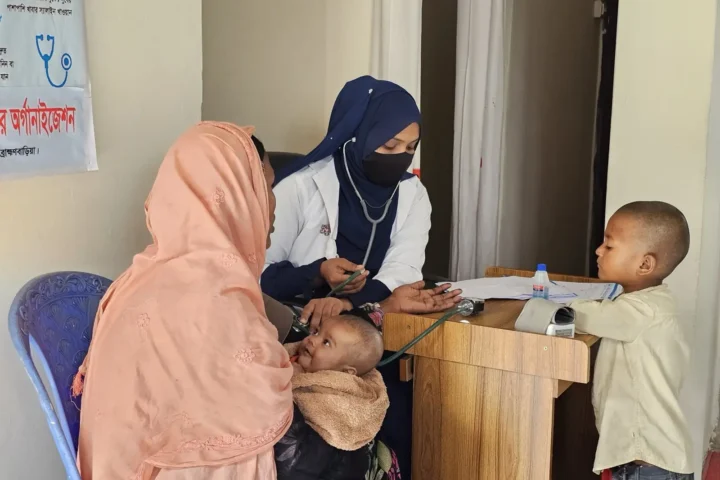
A free weekly clinic and regular mobile camps, run by specialist doctors since 2019. Consultation, diagnosis and basic medicines are free, and nobody is asked what they earn.
Nabinagar, Brahmanbaria · since 2019
Abul Khair Welfare Organization began with one health camp under the mango and guava trees at Pirbari in June 2019. Two specialist doctors now see patients free of charge every Friday at Baishmouja Bazar, and our food, relief, education and livelihood programs reach households across Krishnanagar and Birgaon Unions in Nabinagar Upazila.
Two specialist doctors see patients free of charge every Friday at Baishmouja Bazar. Our food, relief, education and livelihood programs reach households across Nabinagar Upazila.
Registered with the Ministry of Social Welfare, Government of Bangladesh, Reg No. Brahman 615/24
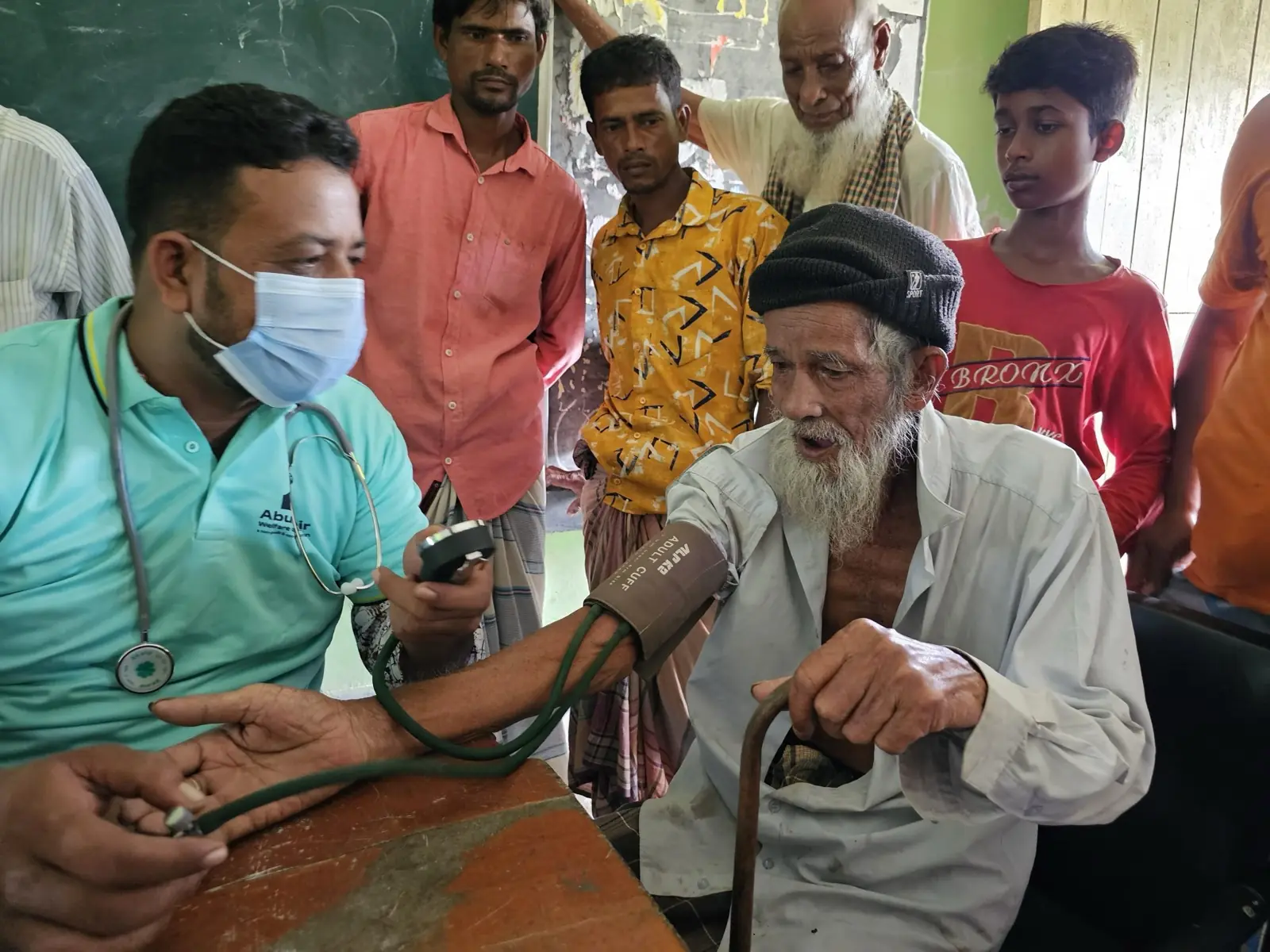
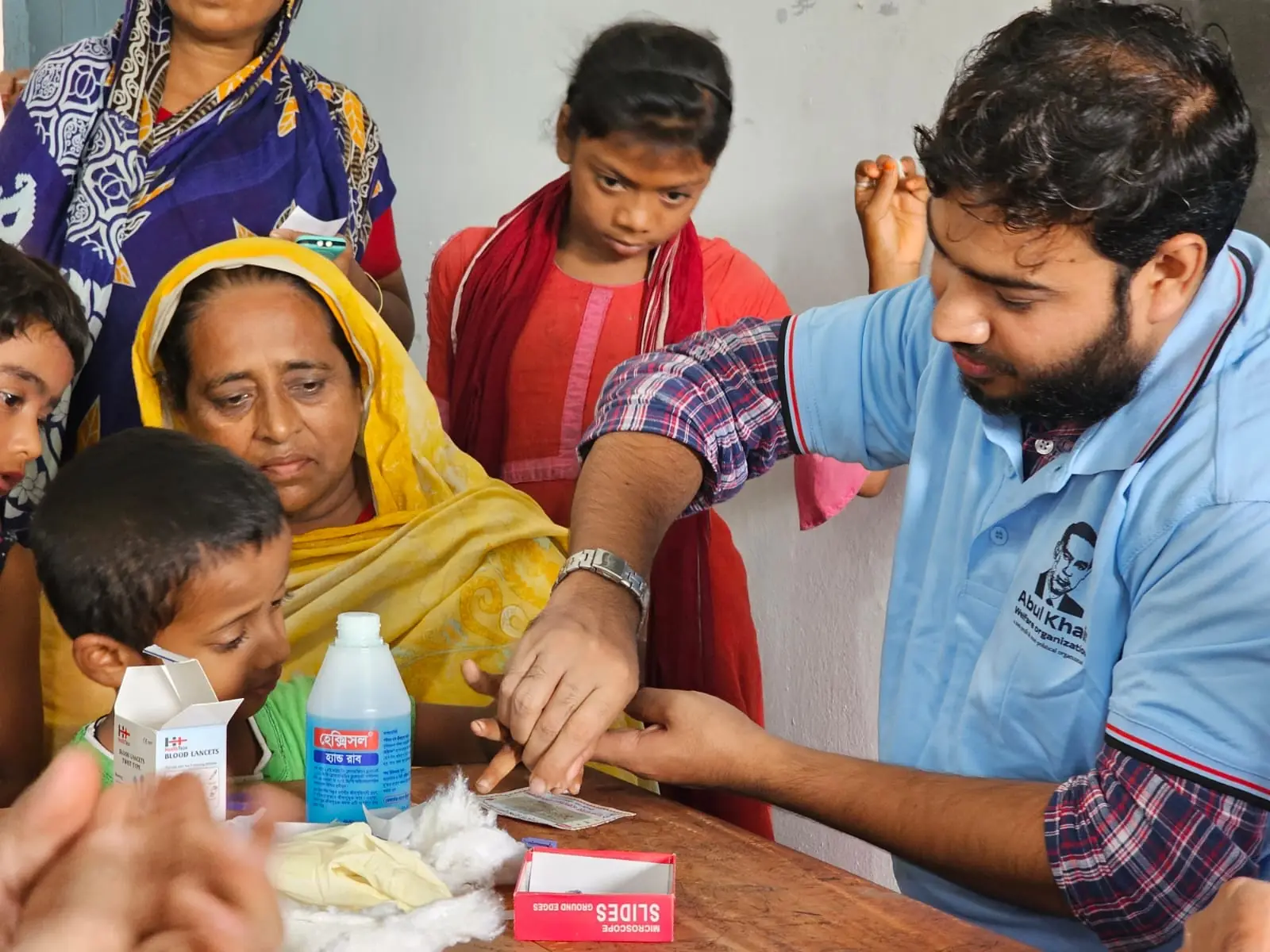
A mobile health campaign, 2024.
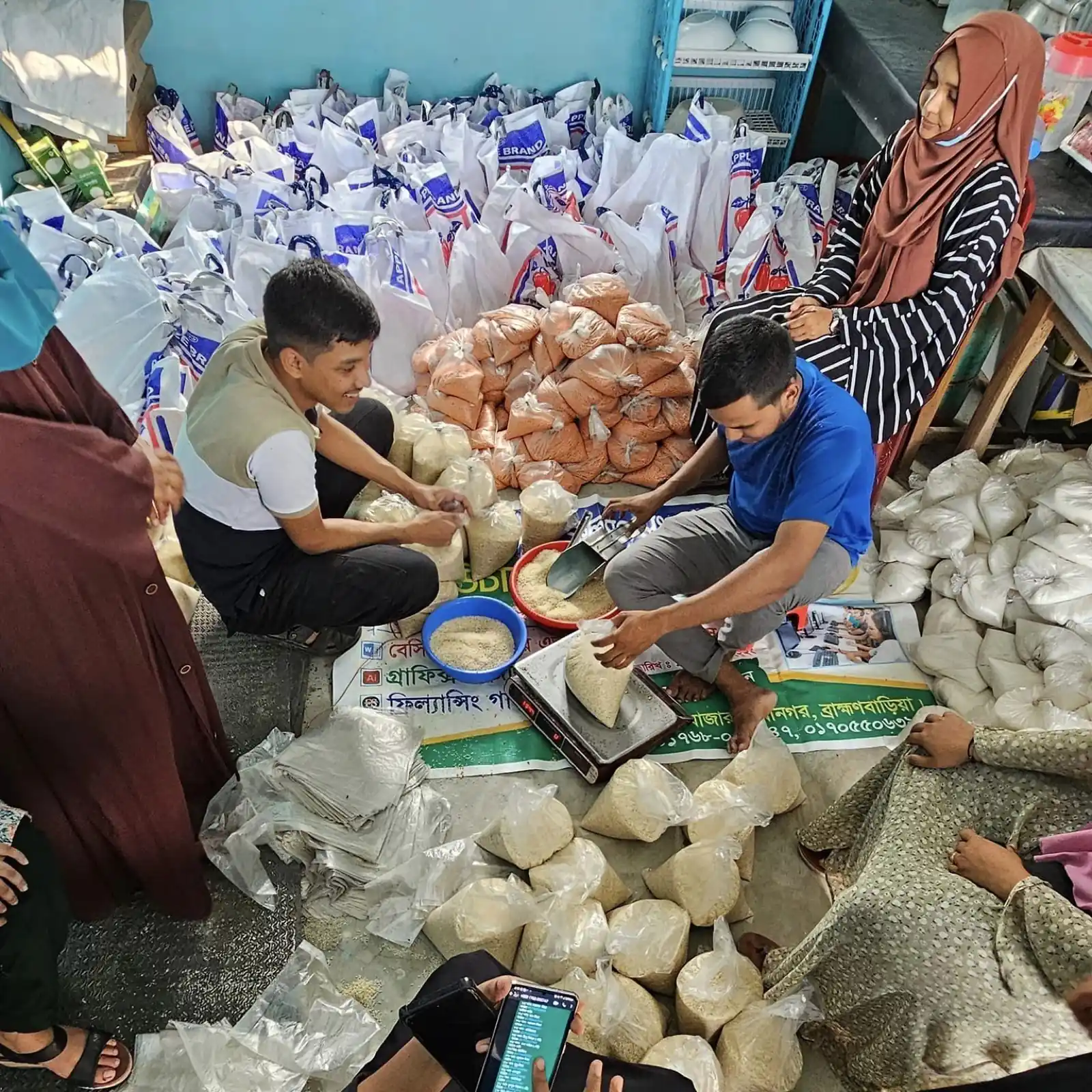
Volunteers packing food relief parcels for distribution.
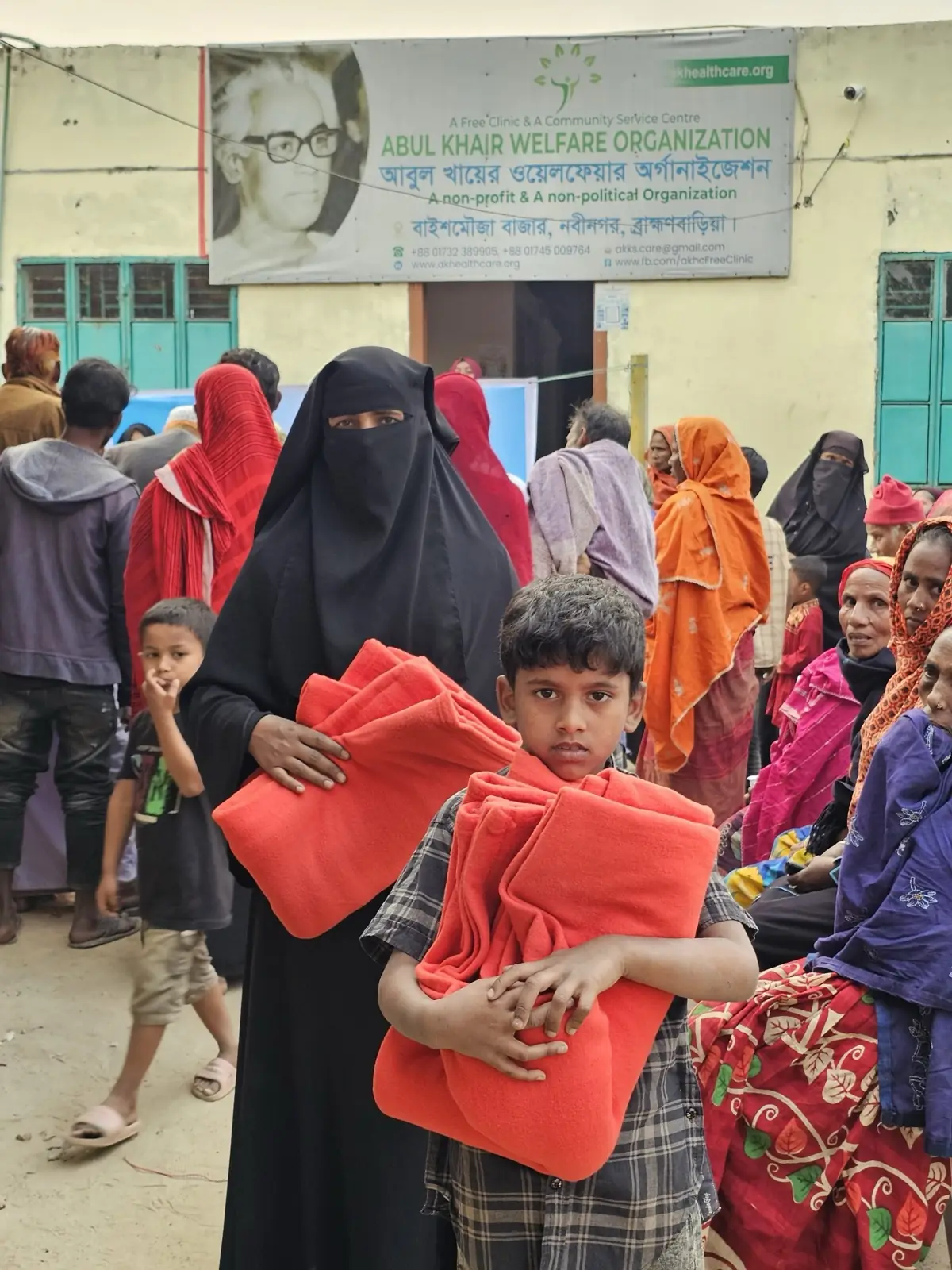
Blanket distribution, January 2025.
Registered with the Ministry of Social Welfare, Government of Bangladesh, Reg No. Brahman 615/24
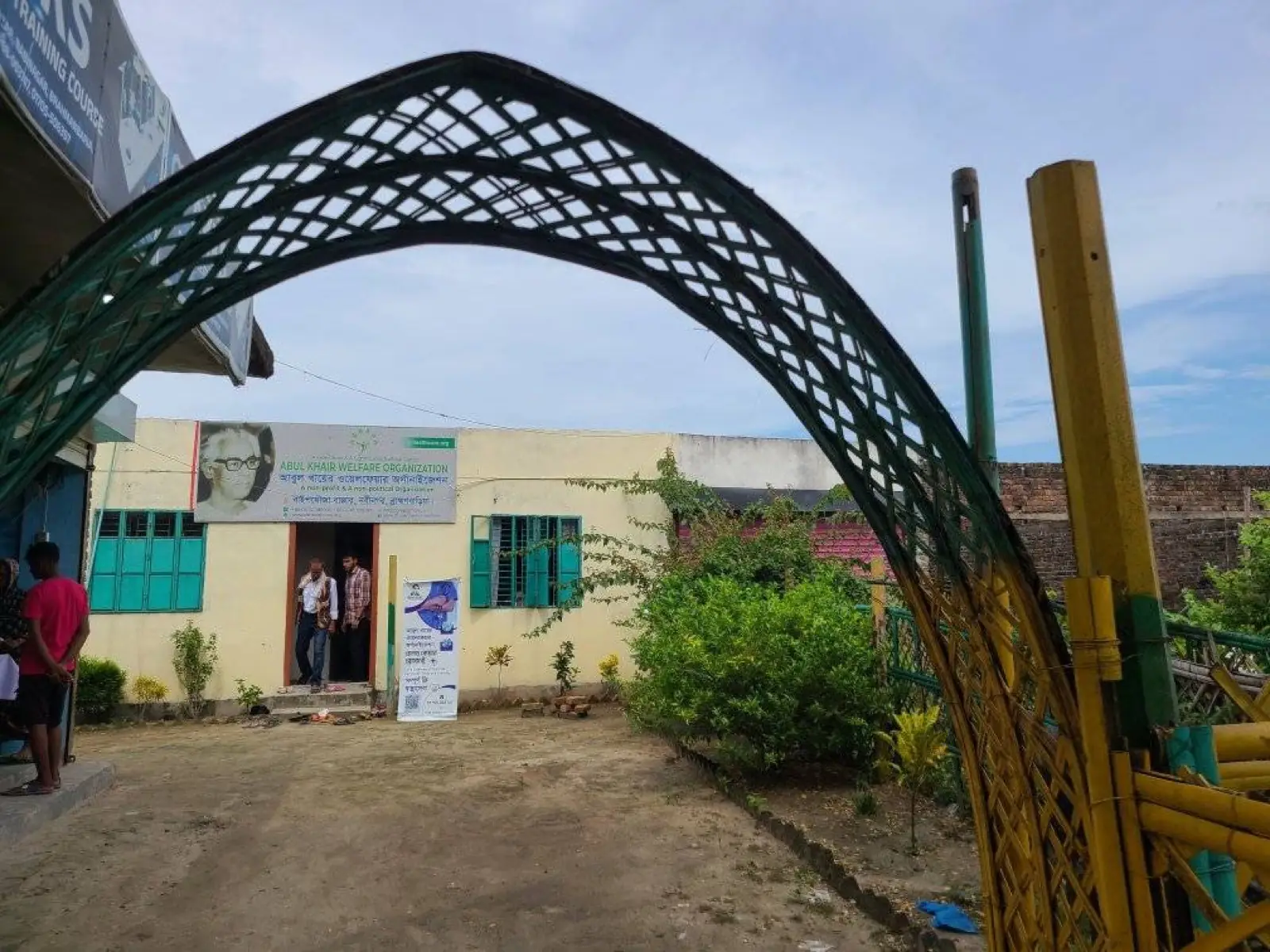
Five programs, all of them free to the people who use them, all of them run from the same office beside the Meghna at Baishmouja Bazar. Healthcare is the oldest and the largest. Food and emergency relief answer the shocks that push a household under. Education and livelihood grants are how families stay out of trouble the next time.
A free weekly clinic and regular mobile camps, run by specialist doctors since 2019. Consultation, diagnosis and basic medicines are free, and nobody is asked what they earn.
Food is the first thing a household loses when the work stops. Our Food Support program answers that in four ways: emergency relief, Eid and Ramadan packages, regular rations and cooked meals at community distributions.
When a flood, a fire, a cold snap or a medical emergency hits a household here, our job is to arrive in days rather than months, and to say honestly what we can and cannot cover.
Three pillars: a stipend so a child is not withdrawn from school for the price of a uniform, free computer training that ends in a certificate, and free technical education in trades that pay.
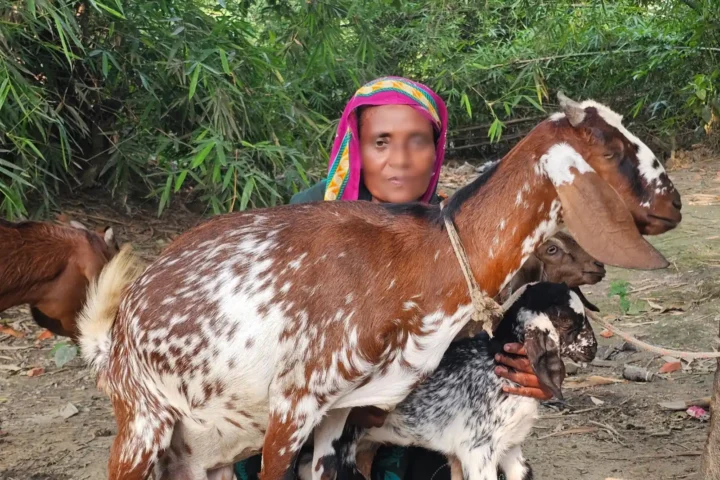
One asset, given once, to a household with no capital at all. A goat, a stock of medicines, a stall. After that the household is on its own, which is the point.
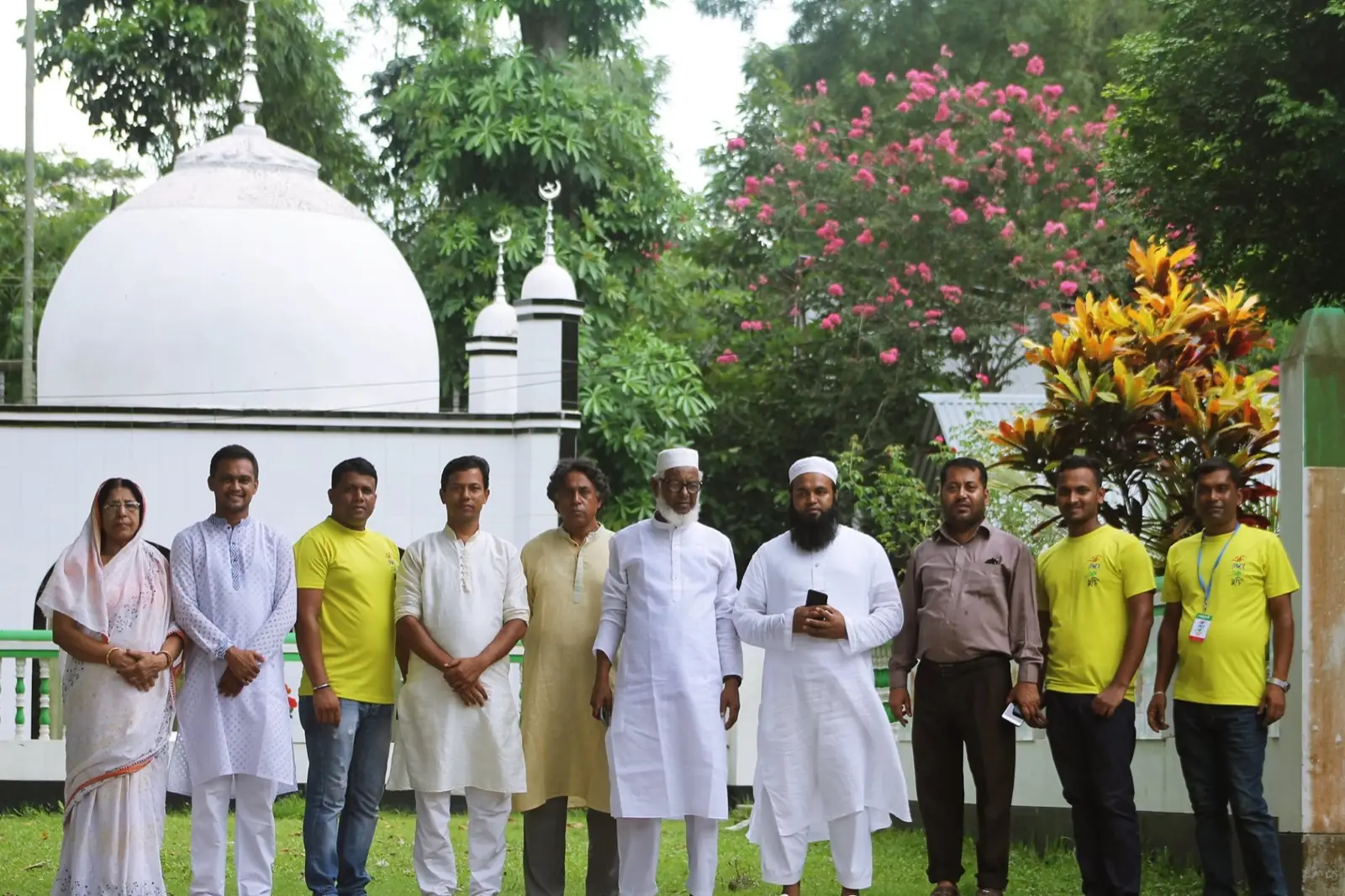
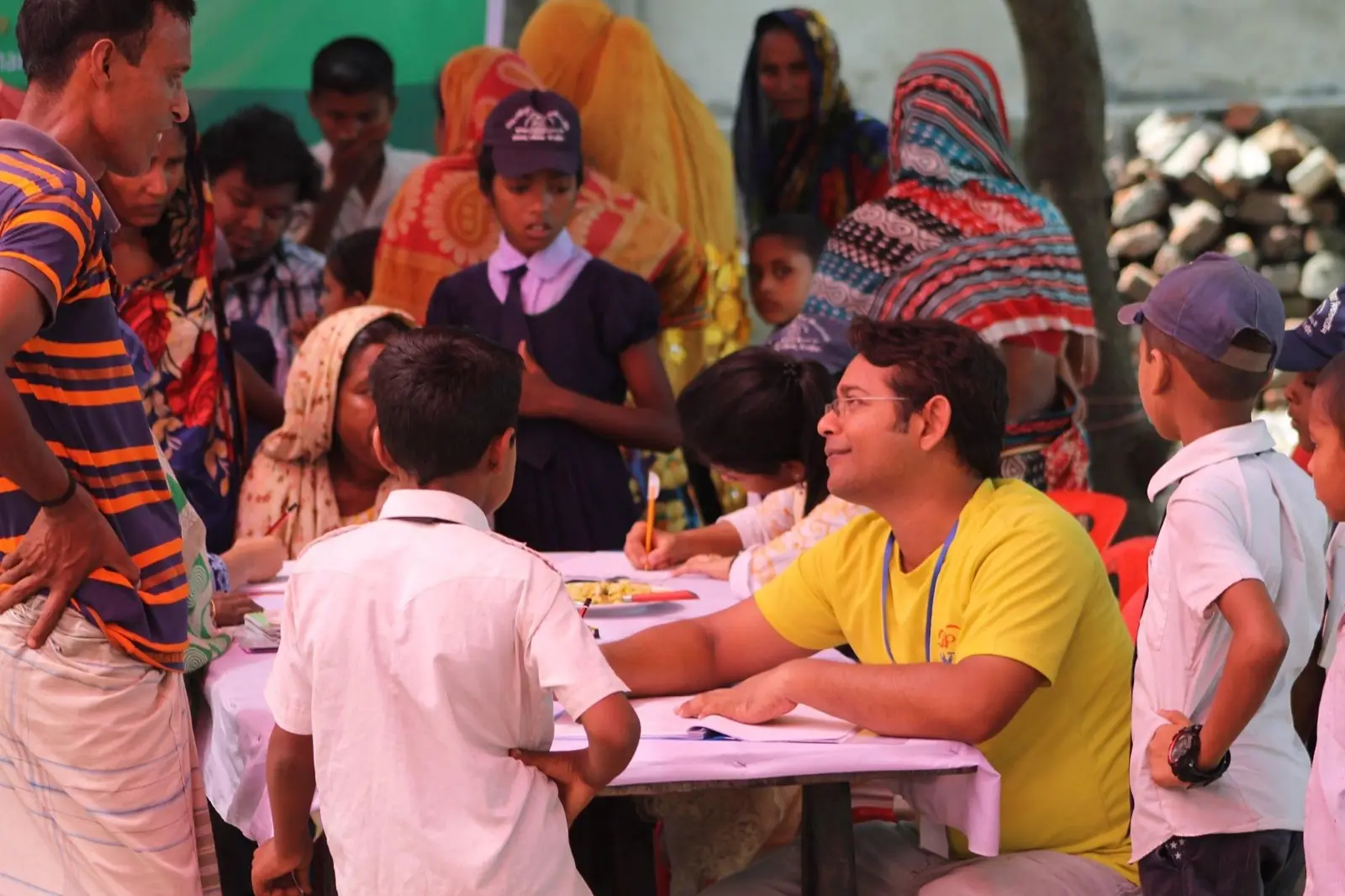
On Monday 6 June 2019 the first health camp was held at Pirbari in Uttar Lakshmipur Hajir Hati village, in the shade of mango and guava trees. It was organized in honor of A.K. Rafiqul Hussain, known across this region as Khair Mia Sab, by his son Moyeedul Hussain Marshal.
On 4 July that year, with the cooperation of the government-registered development organization Ek Ronga Ek Ghuri, the Abul Khair Health Care project was inaugurated in front of doctors, nurses, volunteers and community elders. Since then a team of two specialist doctors has written prescriptions and handed out urgent medicines every week at the Baishmouja Bazar office.
Over the first five years the organization treated close to 44,000 people. By May 2026 we reported passing 70,000 in seven years of continuous work. Alongside the clinic we run IT training for students, support programs for families, and the construction of an academic building at Uttar Lakshmipur High School that will house vocational education.
Read the full account, including the timeline from the first camp to today.
Clinic reports, relief distributions and the accounts of people whose lives changed after a single grant.
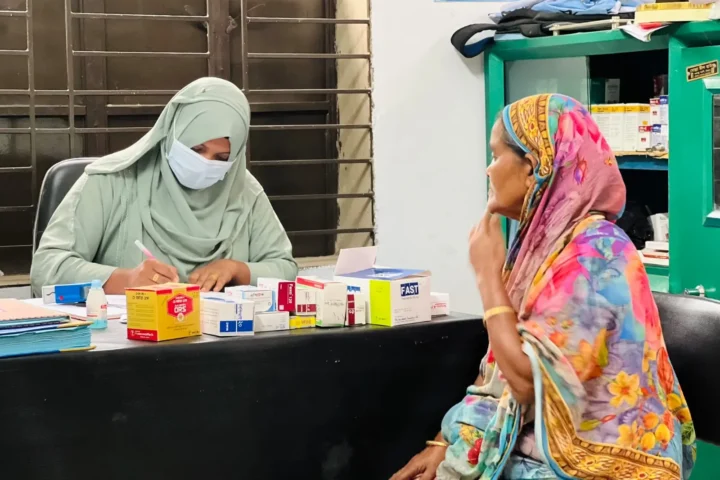 Healthcare
Seventy-nine patients were seen free of charge at the camp of 1 May 2026, and the organization reported passing 70,000 people treated in seven years.
 Success Stories
In 2022 Jharna Begum of Khan Bari, Hajir Hati was given a single goat under AKWO's self-reliance project. She now keeps six.
 Healthcare
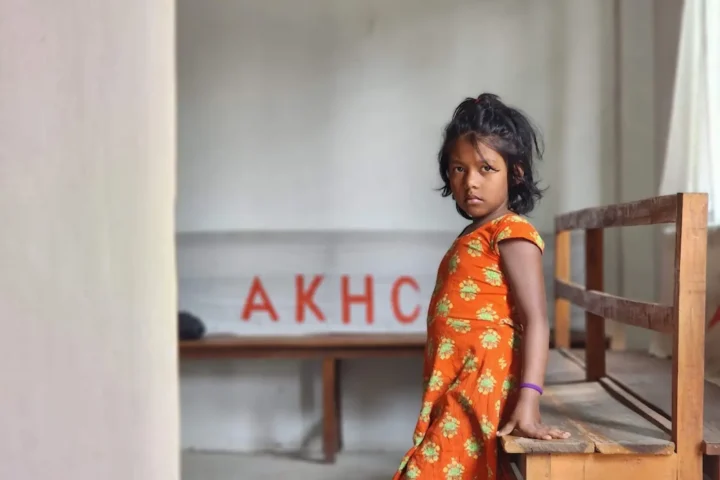
Fifty-four patients were treated at the Friday clinic: 24 children, 24 women and 6 men, each given a free consultation, diagnosis and essential medication.